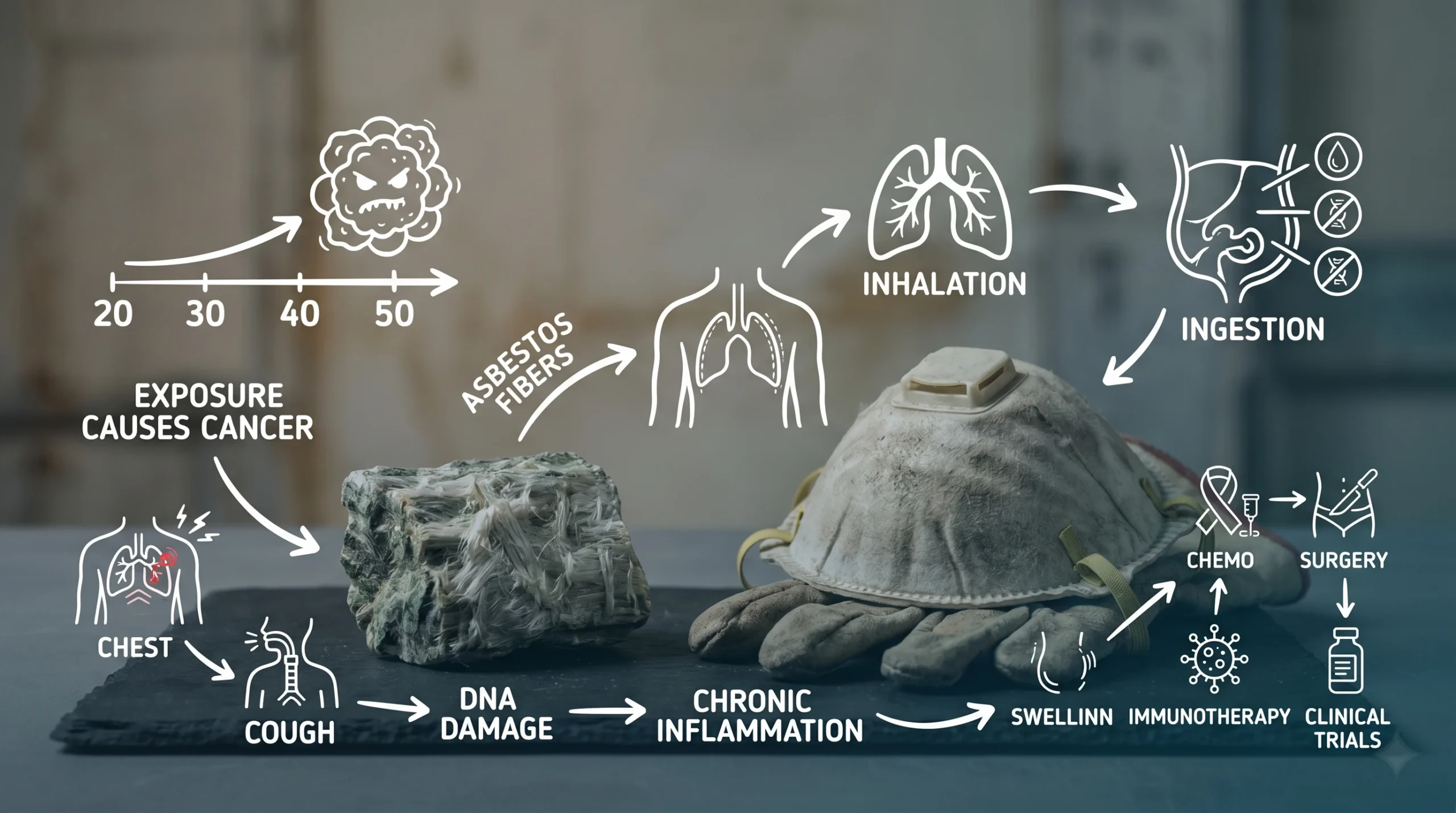
Mesothelioma cancer from asbestos is one of the most serious health conditions linked to occupational and environmental exposure to asbestos fibers. Although asbestos was once widely used in construction materials, shipbuilding, manufacturing, and industrial applications, decades of research have confirmed that exposure to these microscopic fibers can significantly increase the risk of developing mesothelioma. In fact, asbestos exposure remains the primary cause of most mesothelioma cases diagnosed worldwide.
Mesothelioma is a rare but aggressive cancer that develops in the mesothelium, a thin layer of tissue covering many internal organs. The disease most commonly affects the lining of the lungs, known as the pleura, but it can also develop in the abdomen, heart, or testes. One of the most challenging aspects of mesothelioma is its exceptionally long latency period. Many patients do not experience symptoms until 20 to 50 years after their initial exposure to asbestos, making early detection difficult.
When asbestos-containing materials are disturbed, tiny fibers can become airborne and be inhaled or swallowed. Once inside the body, these fibers may remain embedded in tissues for decades. Over time, they can trigger chronic inflammation, cellular damage, and genetic mutations that eventually lead to cancer development. Even individuals who were exposed many years ago may still face a risk of developing asbestos-related diseases.
Understanding the relationship between asbestos and mesothelioma is essential for workers, veterans, homeowners, and anyone who may have encountered asbestos-containing materials in the past. Awareness of the disease’s causes, symptoms, diagnosis methods, treatment options, and survival rates can help individuals recognize potential warning signs and seek medical evaluation sooner.
This guide explains how asbestos causes mesothelioma, who is most at risk, the symptoms to watch for, available treatment options, and what patients can expect after diagnosis.
What is Mesothelioma?
Mesothelioma is a rare and aggressive form of cancer that develops in the mesothelium, a thin protective membrane that covers many internal organs. The mesothelium plays an important role in producing lubricating fluid that allows organs to move smoothly against one another during normal bodily functions. When cancerous cells form within this tissue, they can grow uncontrollably and spread to surrounding structures, leading to serious health complications.
Although mesothelioma accounts for a relatively small percentage of all cancer diagnoses, it is considered one of the most dangerous occupational diseases because of its strong association with asbestos exposure. Medical studies have shown that the majority of mesothelioma cases are linked to inhalation or ingestion of asbestos fibers, often decades before symptoms appear.
Understanding Mesothelioma Cancer
Unlike many other cancers that develop within specific organs, mesothelioma originates in the lining surrounding organs rather than the organs themselves. The disease can affect different areas of the body depending on where asbestos fibers become trapped.
Mesothelioma is characterized by a long latency period, meaning it may take 20 to 50 years after exposure for symptoms to develop. This delayed onset often results in diagnosis at an advanced stage when treatment options may be more limited.
Because the disease progresses gradually over many years, early symptoms are frequently mistaken for less serious conditions such as pneumonia, bronchitis, or other respiratory illnesses. As a result, many patients do not receive a definitive diagnosis until significant damage has already occurred.
Where Mesothelioma Develops in the Body
Mesothelioma can develop in several parts of the body. The location of the cancer largely determines the symptoms a patient experiences and the treatment options available.
1. Pleura
The pleura is the thin membrane surrounding the lungs and lining the chest cavity. This is the most common site of mesothelioma development. Cancer affecting this area is known as pleural mesothelioma and accounts for approximately 70% to 80% of all diagnosed cases.
2. Peritoneum
The peritoneum is the membrane lining the abdominal cavity and covering many abdominal organs. Mesothelioma that develops in this region is called peritoneal mesothelioma. Patients often experience abdominal pain, swelling, and digestive issues.
3. Pericardium
The pericardium is the protective sac surrounding the heart. Pericardial mesothelioma is extremely rare but can cause symptoms such as chest pain, irregular heartbeat, and difficulty breathing.
4. Tunica Vaginalis
The tunica vaginalis is the membrane surrounding the testes. Mesothelioma affecting this area is known as testicular mesothelioma and represents the rarest form of the disease.
Types of Mesothelioma
Doctors classify mesothelioma according to the area of the body where the cancer develops.
1. Pleural Mesothelioma
Pleural mesothelioma affects the lining of the lungs and is the most frequently diagnosed type. Common symptoms include persistent cough, chest pain, shortness of breath, and fluid buildup around the lungs.
2. Peritoneal Mesothelioma
Peritoneal mesothelioma develops in the abdominal lining and may cause abdominal swelling, pain, nausea, loss of appetite, and changes in bowel habits.
3. Pericardial Mesothelioma
Pericardial mesothelioma forms around the heart and can interfere with normal cardiac function. Because of its rarity, diagnosis is often difficult.
4. Testicular Mesothelioma
Testicular mesothelioma affects the lining surrounding the testes and is usually discovered during medical examinations or surgery for unexplained swelling.
Although these forms of mesothelioma differ in location and symptoms, they share a common characteristic: most cases are directly linked to past asbestos exposure. Understanding the disease and its various forms is the first step toward recognizing risk factors and seeking appropriate medical care.
What is Asbestos?
Asbestos is a naturally occurring mineral composed of microscopic fibers that are resistant to heat, fire, electricity, and chemical damage. Because of these unique properties, asbestos was widely used throughout the twentieth century in construction materials, industrial products, transportation equipment, and military applications. For many years, it was considered a valuable material that improved safety and durability in buildings and manufactured goods.
However, extensive medical research eventually revealed that asbestos fibers pose serious health risks when they become airborne and are inhaled or swallowed. Exposure to asbestos has been linked to several life-threatening diseases, including mesothelioma, lung cancer, asbestosis, and other asbestos-related conditions. Today, asbestos is recognized as the leading cause of mesothelioma worldwide.
Understanding Asbestos Fibers
Asbestos is not a single substance but a group of naturally occurring silicate minerals that separate into thin, durable fibers. These fibers are extremely small and often invisible to the naked eye. When asbestos-containing materials are disturbed, damaged, cut, drilled, or demolished, thousands of microscopic fibers can be released into the air.
Because the fibers are lightweight and durable, they can remain suspended in the air for long periods. People who inhale or ingest these fibers may unknowingly expose themselves to significant health risks. Once asbestos fibers enter the body, they can become trapped in tissues and remain there for decades.
Scientists have identified two primary categories of asbestos:
Serpentine Asbestos
Serpentine asbestos includes chrysotile, commonly known as white asbestos. Chrysotile fibers are curly and flexible, making them useful in various industrial applications. Historically, chrysotile was the most commonly used form of asbestos.
Amphibole Asbestos
Amphibole asbestos includes several types of asbestos with straight, needle-like fibers. These fibers are generally considered more dangerous because they can penetrate tissues more easily and remain in the body for extended periods. Examples include amosite and crocidolite asbestos.
Common Uses of Asbestos
For decades, asbestos was incorporated into thousands of commercial and industrial products because of its heat-resistant and insulating properties.
Common applications included:
- Building insulation
- Roofing materials
- Floor and ceiling tiles
- Cement products
- Pipe insulation
- Brake pads and clutches
- Shipbuilding materials
- Industrial machinery components
- Fireproof protective equipment
Workers in construction, manufacturing, mining, shipyards, power plants, and military facilities often faced the highest levels of asbestos exposure.
Why Asbestos Was Widely Used
Before its health risks became widely known, asbestos was considered a highly effective industrial material. Manufacturers valued asbestos because it offered several advantages:
- Excellent resistance to heat and fire
- Strong insulating properties
- Durability and long service life
- Resistance to corrosion and chemicals
- Relatively low production cost
As a result, asbestos became a common component in residential, commercial, and industrial structures built throughout much of the twentieth century.
Why Asbestos Is Dangerous
The danger of asbestos lies in its microscopic fibers. Unlike many airborne particles that the body can remove naturally, asbestos fibers can become permanently lodged in the lungs, abdomen, or other tissues. Over time, these fibers may trigger chronic inflammation, tissue scarring, and cellular damage.
Years or even decades after exposure, this damage can contribute to the development of serious diseases, including mesothelioma cancer. Because symptoms often do not appear until long after exposure occurs, many individuals are unaware of the risks until a medical condition develops.
Understanding what asbestos is and how exposure occurs is essential for recognizing the connection between asbestos and mesothelioma. The next section explains the biological process through which asbestos fibers can eventually cause cancer.
How Does Asbestos Cause Mesothelioma?
The connection between asbestos exposure and mesothelioma has been extensively documented through decades of medical research. While scientists continue to study the exact biological mechanisms involved, there is overwhelming evidence that inhaled or ingested asbestos fibers can trigger a chain of events that eventually leads to cancer development.
Mesothelioma does not develop immediately after exposure. Instead, the disease typically emerges many years or even decades later. This long latency period is one of the defining characteristics of asbestos-related cancers and often makes early diagnosis challenging.
How Asbestos Fibers Enter the Body
Most cases of mesothelioma begin when microscopic asbestos fibers enter the body through inhalation.
When asbestos-containing materials are disturbed during construction, renovation, demolition, manufacturing, or maintenance work, tiny fibers can become airborne. Because these fibers are extremely small, people may inhale them without realizing it.
Once inhaled, asbestos fibers can travel deep into the respiratory system and reach the lungs. Some fibers become trapped within the pleura, the thin membrane surrounding the lungs. Others may migrate into nearby tissues over time.
In addition to inhalation, asbestos fibers can also enter the body through ingestion. Fibers trapped in mucus may be swallowed and eventually reach the digestive tract and abdominal cavity. This process is believed to contribute to the development of peritoneal mesothelioma, which affects the lining of the abdomen.
Why the Body Cannot Easily Remove Asbestos Fibers
The human body has natural defense mechanisms designed to remove dust, bacteria, and other foreign particles. However, asbestos fibers present a unique challenge.
Many asbestos fibers are durable, chemically stable, and resistant to breakdown. Once lodged in tissue, they can remain there for decades. Immune system cells attempt to attack and remove the fibers, but their efforts are often unsuccessful.
As a result, asbestos fibers may persist within the body indefinitely, creating a continuous source of irritation and inflammation.
Chronic Inflammation Caused by Asbestos
One of the most important ways asbestos causes mesothelioma is through chronic inflammation.
When immune cells encounter asbestos fibers, they release inflammatory chemicals in an attempt to repair damaged tissue. While inflammation is normally part of the body’s healing process, long-term inflammation can have harmful effects.
Over many years, persistent inflammation may:
- Damage surrounding tissues
- Promote abnormal cell growth
- Increase oxidative stress
- Interfere with normal cellular repair mechanisms
- Create an environment that supports cancer development
Researchers believe this prolonged inflammatory response plays a significant role in the transformation of healthy mesothelial cells into cancerous cells.
DNA Damage and Genetic Mutations
Another critical factor in mesothelioma development is genetic damage.
Asbestos fibers can contribute to cellular injury through several mechanisms. The fibers may physically interfere with cell division, generate harmful reactive oxygen species, and trigger repeated cycles of tissue damage and repair.
Over time, these processes can damage DNA within mesothelial cells.
DNA acts as the body’s genetic blueprint, controlling how cells grow, divide, and function. When DNA becomes damaged, mutations may occur. Some mutations affect genes responsible for regulating cell growth and preventing tumor formation.
As mutations accumulate, cells may begin to divide uncontrollably and evade the body’s normal defense systems. This uncontrolled growth is a hallmark of cancer.
Tumor Formation and Cancer Development
Mesothelioma develops gradually over many years.
Initially, only a small number of cells may be affected by asbestos-related damage. As genetic mutations accumulate, abnormal cells gain the ability to survive, multiply, and spread.
Eventually, these cancerous cells form tumors within the mesothelium.
In pleural mesothelioma, tumors develop along the lining of the lungs and chest cavity. In peritoneal mesothelioma, tumors form within the abdominal lining. As the disease progresses, tumors may invade nearby tissues and interfere with normal organ function.
Common complications include:
- Fluid buildup around the lungs
- Chest pain
- Difficulty breathing
- Abdominal swelling
- Weight loss
- Fatigue
Without treatment, mesothelioma often continues to spread and becomes increasingly difficult to manage.
Why Mesothelioma Takes Decades to Appear
One of the most unusual features of mesothelioma is its exceptionally long latency period.
Most cancers linked to asbestos exposure do not appear immediately after contact with asbestos fibers. Instead, symptoms may take 20 to 50 years to develop.
Several factors contribute to this delay:
- The gradual accumulation of cellular damage
- Slow progression of genetic mutations
- Long-term inflammatory processes
- Individual differences in immune response
Because of this prolonged latency period, many patients receive a diagnosis after retirement, even though their asbestos exposure occurred decades earlier during their working years.
Factors That Influence Mesothelioma Risk
Not everyone exposed to asbestos develops mesothelioma. However, several factors can increase the likelihood of disease development.
These factors include:
- Duration of asbestos exposure
- Frequency of exposure
- Concentration of airborne fibers
- Type of asbestos involved
- Age at exposure
- Individual genetic susceptibility
People who worked in industries with heavy asbestos use generally face a higher risk than those with limited or occasional exposure.
The Proven Link Between Asbestos and Mesothelioma
Today, medical experts widely recognize asbestos as the primary cause of mesothelioma. Numerous scientific studies have demonstrated a strong relationship between asbestos exposure and the development of this aggressive cancer.
Although mesothelioma remains relatively rare, the vast majority of cases can be traced to previous asbestos exposure. Understanding how asbestos causes mesothelioma helps explain why prevention, early detection, and awareness remain essential in reducing the impact of this devastating disease.
Who Is Most at Risk of Developing Mesothelioma?
Although mesothelioma is considered a rare cancer, certain groups of people face a significantly higher risk because of their history of asbestos exposure. The disease is most commonly diagnosed among individuals who worked in occupations where asbestos-containing materials were frequently used. However, direct workplace exposure is not the only source of risk. Family members and people living near asbestos-contaminated environments may also develop mesothelioma years after exposure.
Understanding who is most at risk can help individuals recognize potential exposure histories and seek medical evaluation if symptoms arise.
Construction Workers
Construction workers have historically experienced some of the highest levels of asbestos exposure.
Throughout much of the twentieth century, asbestos was commonly used in building materials due to its fire-resistant and insulating properties. Workers involved in construction, renovation, maintenance, and demolition frequently handled materials containing asbestos.
Common asbestos-containing products included:
- Insulation materials
- Ceiling tiles
- Floor tiles
- Roofing products
- Cement sheets
- Pipe coverings
- Fireproofing materials
Activities such as drilling, cutting, sanding, or demolishing these materials could release microscopic asbestos fibers into the air, increasing the risk of inhalation.
Even today, workers renovating older buildings may encounter asbestos if proper safety procedures are not followed.
Shipyard Workers
Shipyard workers are another group with a well-documented history of asbestos exposure.
For decades, asbestos was widely used in shipbuilding because of its resistance to heat, fire, and corrosion. It was commonly found in:
- Engine rooms
- Boiler systems
- Pipes
- Insulation materials
- Electrical equipment
- Fireproof barriers
Workers who built, repaired, or maintained ships often worked in confined spaces where asbestos fibers could accumulate in high concentrations.
As a result, shipyard workers have consistently been among the occupations most frequently associated with mesothelioma diagnoses.
Factory and Industrial Workers
Employees in manufacturing plants and industrial facilities were often exposed to asbestos during routine operations.
Industries associated with significant asbestos use included:
- Cement manufacturing
- Textile production
- Chemical processing
- Power generation
- Metalworking
- Automotive manufacturing
Many workers handled raw asbestos directly or worked near machinery insulated with asbestos-containing materials.
Before modern workplace regulations were introduced, protective equipment and exposure monitoring were often limited or nonexistent.
Military Veterans
Military veterans, particularly those who served in naval branches, face an elevated risk of developing mesothelioma.
During much of the twentieth century, asbestos was extensively used in military ships, vehicles, aircraft, and military housing. Service members often worked in environments where asbestos-containing materials were present throughout daily operations.
Veterans may have encountered asbestos while performing duties such as:
- Ship maintenance
- Engine repair
- Aircraft maintenance
- Construction work
- Mechanical operations
Because mesothelioma can take decades to develop, many veterans are diagnosed long after completing their military service.
Family Members Exposed to Asbestos
Mesothelioma is not limited to individuals who worked directly with asbestos.
Secondary exposure, sometimes called take-home exposure, can occur when asbestos fibers are carried home on clothing, shoes, tools, or equipment.
Family members may unknowingly inhale asbestos fibers released into the household environment during activities such as:
- Washing contaminated work clothes
- Handling work equipment
- Cleaning dusty garments
Spouses and children of asbestos workers have developed mesothelioma despite never working directly with asbestos themselves.
This form of exposure highlights how asbestos-related risks can extend beyond the workplace.
Environmental Exposure
Some individuals develop mesothelioma due to environmental exposure rather than occupational contact.
Environmental exposure may occur when people live near:
- Asbestos mines
- Processing facilities
- Industrial plants
- Construction waste sites
- Areas containing naturally occurring asbestos deposits
In these situations, asbestos fibers can contaminate surrounding air, soil, or dust, creating long-term exposure risks for nearby communities.
Although environmental exposure generally involves lower levels of asbestos than occupational exposure, repeated contact over many years may still contribute to disease development.
Factors That Increase Individual Risk
Several factors influence whether asbestos exposure ultimately leads to mesothelioma.
These factors include:
- Duration of exposure
- Frequency of exposure
- Intensity of exposure
- Type of asbestos fibers involved
- Age at first exposure
- Overall health status
- Genetic susceptibility
Individuals who experienced prolonged exposure in high-risk occupations generally face the greatest likelihood of developing asbestos-related diseases.
Why Identifying Risk Matters
Because mesothelioma often develops decades after exposure, many people may not immediately connect their current health problems with past asbestos contact.
Understanding occupational, secondary, and environmental risk factors can help individuals recognize their potential exposure history. Anyone who has worked around asbestos or believes they may have been exposed should inform healthcare providers about that history, especially if respiratory or abdominal symptoms begin to appear.
Recognizing risk early may support earlier medical evaluation, faster diagnosis, and access to a broader range of treatment options.
Early Signs and Symptoms of Mesothelioma From Asbestos
One of the greatest challenges in diagnosing mesothelioma is that the disease often develops silently for many years. Symptoms may not appear until decades after asbestos exposure, and early warning signs are frequently mistaken for common respiratory, digestive, or age-related health conditions.
As mesothelioma progresses, symptoms generally become more severe and begin to interfere with daily activities. The specific symptoms a patient experiences depend largely on the location of the cancer. Pleural mesothelioma affects the lining of the lungs, while peritoneal mesothelioma develops in the abdominal lining.
Understanding the early signs of mesothelioma can help individuals seek medical evaluation sooner, especially if they have a history of asbestos exposure.
Early Warning Signs of Mesothelioma
In its early stages, mesothelioma often causes symptoms that appear mild or nonspecific. Many patients initially assume they are experiencing a minor illness or a normal part of aging.
Common early symptoms include:
- Persistent cough
- Mild chest discomfort
- Shortness of breath during physical activity
- Unexplained fatigue
- Reduced energy levels
- Occasional wheezing
- General weakness
Because these symptoms can resemble conditions such as bronchitis, pneumonia, asthma, or chronic obstructive pulmonary disease (COPD), mesothelioma may go undetected for an extended period.
For individuals with a known history of asbestos exposure, even seemingly minor respiratory symptoms should be discussed with a healthcare professional.
Symptoms of Pleural Mesothelioma
Pleural mesothelioma is the most common form of the disease, accounting for the majority of diagnosed cases. It develops in the pleura, the thin membrane surrounding the lungs and lining the chest cavity.
As tumors grow and inflammation increases, patients may experience symptoms such as:
Persistent Chest Pain
Many patients report a dull ache or sharp pain in the chest. The discomfort may worsen over time as tumors affect nearby tissues and nerves.
Shortness of Breath
Difficulty breathing is one of the most common symptoms of pleural mesothelioma. This problem often results from pleural effusion, a condition in which excess fluid accumulates around the lungs.
Chronic Cough
A cough that does not improve or continues for several weeks may be an early warning sign. Some patients experience a dry cough, while others may produce mucus.
Fatigue and Weakness
Cancer-related fatigue often persists despite adequate rest. Patients may notice declining stamina and difficulty performing routine activities.
Unexplained Weight Loss
Unintentional weight loss can occur as the disease progresses and affects the body’s metabolism.
Additional symptoms may include:
- Hoarseness
- Difficulty swallowing
- Night sweats
- Fever
- Reduced appetite
Symptoms of Peritoneal Mesothelioma
Peritoneal mesothelioma develops in the lining of the abdomen and produces symptoms that differ from those associated with pleural disease.
Common symptoms include:
Abdominal Pain
Patients may experience persistent discomfort, pressure, or pain in the abdominal region.
Abdominal Swelling
Fluid accumulation within the abdominal cavity can cause noticeable swelling and a feeling of fullness.
Digestive Problems
Mesothelioma affecting the abdomen may interfere with normal digestive function and contribute to:
- Nausea
- Vomiting
- Constipation
- Diarrhea
- Loss of appetite
Unexplained Weight Changes
Some patients lose weight because of reduced appetite, while others may experience abdominal enlargement due to fluid buildup.
Because these symptoms overlap with many gastrointestinal disorders, diagnosis can sometimes be delayed.
Symptoms in Advanced Stages
As mesothelioma progresses, symptoms often become more severe and widespread.
Advanced-stage mesothelioma may cause:
- Severe chest pain
- Significant breathing difficulties
- Large pleural or abdominal fluid collections
- Persistent fatigue
- Extensive weight loss
- Muscle wasting
- Reduced mobility
At this stage, tumors may spread to nearby tissues and organs, making treatment more complex.
When to Seek Medical Attention
Anyone experiencing persistent respiratory or abdominal symptoms should consult a healthcare provider, particularly if they have a history of asbestos exposure.
Medical evaluation is especially important when symptoms include:
- Ongoing shortness of breath
- Persistent cough
- Unexplained chest pain
- Abdominal swelling
- Unintentional weight loss
- Chronic fatigue
Although these symptoms do not always indicate mesothelioma, early assessment can help identify serious conditions before they progress further.
Why Early Recognition Matters
Mesothelioma is often diagnosed at an advanced stage because its symptoms develop gradually and resemble those of many other illnesses. Recognizing potential warning signs and informing healthcare providers about past asbestos exposure can improve the chances of obtaining an earlier diagnosis.
Earlier detection may provide access to more treatment options, improve symptom management, and potentially contribute to better long-term outcomes for some patients.
How Long After Asbestos Exposure Can Mesothelioma Develop?
One of the most distinctive characteristics of mesothelioma is its exceptionally long latency period. Unlike many illnesses that develop shortly after exposure to a harmful substance, mesothelioma often remains undetected for decades. Many people who are diagnosed with the disease were exposed to asbestos 20, 30, 40, or even 50 years earlier.
This delayed onset is one of the primary reasons mesothelioma can be difficult to diagnose. By the time symptoms appear, patients may have forgotten about past asbestos exposure or may not realize they were ever exposed at all.
Understanding the latency period of mesothelioma is essential for recognizing long-term health risks associated with asbestos.
Understanding the Latency Period
The latency period refers to the time between initial asbestos exposure and the appearance of mesothelioma symptoms.
Medical research indicates that mesothelioma typically develops between 20 and 50 years after exposure. In some cases, symptoms may appear sooner, while in others they may not emerge for more than half a century.
Because of this prolonged delay, individuals who worked with asbestos many years ago may still face a risk of developing mesothelioma today.
For example:
- A construction worker exposed to asbestos in their twenties may not develop symptoms until their sixties or seventies.
- A shipyard worker exposed during military service may not receive a diagnosis until decades after retirement.
- Family members affected by secondary exposure may experience symptoms many years after contact with contaminated clothing or household dust.
Why Symptoms Take So Long to Appear
Mesothelioma develops gradually over an extended period.
After asbestos fibers enter the body, they can become lodged within tissues such as the pleura or peritoneum. Because the body cannot easily eliminate these fibers, they remain in place and continue to irritate surrounding cells.
Over many years, asbestos fibers may contribute to:
- Chronic inflammation
- Tissue scarring
- Oxidative stress
- DNA damage
- Genetic mutations
Cancer does not form immediately. Instead, healthy cells undergo a slow process of transformation as damage accumulates over time. Eventually, some cells begin to grow uncontrollably, forming tumors within the mesothelium.
This gradual progression explains why mesothelioma often remains undetected for decades after exposure occurs.
Factors That Influence Disease Development
Although asbestos exposure is the primary cause of mesothelioma, not everyone develops the disease at the same rate. Several factors may influence how long it takes for mesothelioma to appear.
Duration of Exposure
Individuals exposed to asbestos over many years generally face a higher risk than those with limited exposure. Long-term exposure may result in a greater number of fibers becoming trapped within the body.
Intensity of Exposure
Workers in industries where asbestos concentrations were particularly high often experienced more significant exposure levels. Heavy exposure may increase the likelihood of disease development.
Type of Asbestos Fiber
Different forms of asbestos possess varying physical characteristics. Some fiber types may remain in tissues longer or cause greater biological damage.
Age at Exposure
Exposure at a younger age provides more time for asbestos-related damage to accumulate. However, mesothelioma can develop after exposure at virtually any age.
Individual Health and Genetics
Researchers continue to study the role of genetic factors in mesothelioma development. Certain individuals may be more susceptible to asbestos-related cellular damage than others.
Can Mesothelioma Develop After Brief Exposure?
While prolonged occupational exposure presents the greatest risk, mesothelioma has occasionally been diagnosed in individuals with relatively limited exposure histories.
The likelihood of developing mesothelioma generally increases with greater exposure, but there is no universally accepted threshold below which asbestos exposure can be considered completely risk-free.
For this reason, health authorities recommend minimizing exposure to asbestos whenever possible.
Why Exposure History Is Important
Because mesothelioma can take decades to develop, many patients do not initially connect their symptoms with past asbestos exposure.
Healthcare providers often ask about:
- Previous occupations
- Military service
- Construction work
- Industrial employment
- Home renovation activities
- Family exposure history
Providing accurate information about potential asbestos exposure can help doctors identify risk factors and pursue appropriate diagnostic testing.
Long-Term Monitoring After Exposure
Individuals who know they were exposed to asbestos should remain aware of potential symptoms, even if the exposure occurred many years ago.
Although most exposed individuals will never develop mesothelioma, understanding the disease’s long latency period can encourage timely medical evaluation if symptoms arise later in life.
Early recognition of potential warning signs may support faster diagnosis, earlier treatment, and improved management of asbestos-related health conditions.
How Doctors Diagnose Mesothelioma
Diagnosing mesothelioma can be challenging because its symptoms often resemble those of other respiratory and abdominal conditions. Diseases such as pneumonia, chronic obstructive pulmonary disease (COPD), lung cancer, and gastrointestinal disorders may initially present with similar signs, making a thorough medical evaluation essential.
Because mesothelioma is strongly associated with asbestos exposure, doctors typically consider a patient’s occupational, environmental, and medical history alongside imaging studies and laboratory tests. A definitive diagnosis usually requires a tissue biopsy to confirm the presence of cancerous mesothelial cells.
Medical History and Exposure Assessment
The diagnostic process often begins with a detailed review of the patient’s medical history.
Doctors may ask questions about:
- Past occupations
- Military service
- Construction or industrial work
- Home renovation projects
- Exposure to asbestos-containing materials
- Family history of asbestos exposure
Identifying a history of asbestos exposure can provide an important clue, particularly when symptoms suggest a potential asbestos-related disease.
Physicians will also evaluate:
- Current symptoms
- Duration of symptoms
- Smoking history
- Previous lung or abdominal conditions
- Overall health status
Although smoking does not cause mesothelioma, it may contribute to other respiratory diseases that can complicate diagnosis.
Physical Examination
A physical examination helps doctors identify signs that may indicate underlying disease.
During the examination, healthcare providers may look for:
- Reduced lung function
- Abnormal breathing sounds
- Fluid accumulation around the lungs
- Abdominal swelling
- Tenderness or pain
- Unexplained weight loss
While a physical examination alone cannot diagnose mesothelioma, it can help determine which additional tests are needed.
Imaging Tests
Imaging studies play a crucial role in identifying abnormalities that may indicate mesothelioma.
Chest X-Ray
A chest X-ray is often one of the first diagnostic tests performed when respiratory symptoms are present.
The scan may reveal:
- Pleural thickening
- Fluid buildup around the lungs
- Abnormal masses
- Changes in lung tissue
Although X-rays can detect certain abnormalities, they cannot definitively diagnose mesothelioma.
Computed Tomography (CT) Scan
CT scans provide detailed cross-sectional images of the body and are commonly used when mesothelioma is suspected.
A CT scan can help doctors evaluate:
- Tumor size
- Tumor location
- Disease spread
- Pleural abnormalities
- Lymph node involvement
CT imaging is often a key tool for both diagnosis and treatment planning.
Magnetic Resonance Imaging (MRI)
MRI scans produce highly detailed images of soft tissues and may be used to determine whether tumors have spread to nearby structures.
This information can be valuable when evaluating potential surgical options.
Positron Emission Tomography (PET) Scan
PET scans help identify areas of increased metabolic activity within the body.
Because cancer cells typically consume more energy than normal cells, PET imaging can help doctors:
- Detect active tumors
- Assess disease progression
- Identify potential metastasis
- Evaluate treatment response
PET scans are frequently combined with CT scans to improve diagnostic accuracy.
Biopsy and Laboratory Testing
While imaging tests can strongly suggest mesothelioma, a biopsy is generally required to confirm the diagnosis.
A biopsy involves removing a small sample of tissue from the affected area for laboratory analysis.
Depending on the location of the suspected cancer, doctors may obtain tissue samples through:
- Needle biopsy
- Thoracoscopy
- Laparoscopy
- Surgical biopsy procedures
Pathologists examine the tissue under a microscope to determine whether cancerous mesothelial cells are present.
Laboratory testing may also help identify the specific cell type involved, such as:
- Epithelioid mesothelioma
- Sarcomatoid mesothelioma
- Biphasic mesothelioma
This information can influence treatment decisions and prognosis.
Determining the Stage of Mesothelioma
Once a diagnosis is confirmed, doctors perform additional tests to determine the stage of the disease.
Staging helps assess:
- Tumor size
- Extent of spread
- Lymph node involvement
- Impact on nearby organs
Accurate staging is essential because it guides treatment planning and helps estimate potential outcomes.
Why Early Diagnosis Matters
Mesothelioma is often diagnosed at an advanced stage because symptoms may not appear until decades after asbestos exposure. However, earlier diagnosis can provide access to a broader range of treatment options and may improve symptom management.
Anyone with a history of asbestos exposure who develops persistent respiratory or abdominal symptoms should seek medical evaluation promptly. Early investigation may help identify mesothelioma or other asbestos-related diseases before they progress further.
Treatment Options for Mesothelioma
Mesothelioma is an aggressive cancer, but advances in medical science have expanded the range of treatment options available to patients. Although there is currently no guaranteed cure for most cases of mesothelioma, treatment can help slow disease progression, relieve symptoms, improve quality of life, and in some cases extend survival.
The most appropriate treatment plan depends on several factors, including:
- The type of mesothelioma
- The stage of the disease
- Tumor location
- Overall patient health
- Age of the patient
- Response to previous treatments
Doctors often combine multiple treatment methods to achieve the best possible outcome.
Surgery
Surgery may be considered for patients whose mesothelioma is diagnosed at an earlier stage and has not spread extensively.
The primary goals of surgery include:
- Removing as much cancer as possible
- Reducing symptoms
- Improving breathing function
- Supporting other treatment methods
Surgery for Pleural Mesothelioma
Several surgical procedures may be used to treat pleural mesothelioma.
Common options include:
Pleurectomy/Decortication (P/D)
This procedure removes part or all of the pleura affected by cancer while preserving the lung whenever possible.
Potential benefits include:
- Improved breathing
- Reduced fluid buildup
- Symptom relief
Extrapleural Pneumonectomy (EPP)
This more extensive procedure involves removing:
- The affected lung
- Part of the pleura
- Portions of the diaphragm
- Nearby tissues affected by cancer
Because EPP is a major operation, only carefully selected patients are considered suitable candidates.
Surgery for Peritoneal Mesothelioma
Patients with peritoneal mesothelioma may undergo cytoreductive surgery, which aims to remove visible tumors from the abdominal cavity.
This approach is often combined with specialized chemotherapy treatments administered directly into the abdomen.
Chemotherapy
Chemotherapy remains one of the most commonly used treatments for mesothelioma.
Chemotherapy drugs circulate throughout the body and target rapidly dividing cancer cells. Treatment may be used:
- Before surgery
- After surgery
- As a primary treatment when surgery is not possible
The most frequently used chemotherapy combinations include medications designed to slow tumor growth and reduce cancer spread.
Potential benefits of chemotherapy include:
- Tumor shrinkage
- Symptom reduction
- Disease control
- Improved quality of life
Common side effects may include:
- Fatigue
- Nausea
- Hair loss
- Appetite changes
- Increased infection risk
Many side effects can be managed through supportive medical care.
Radiation Therapy
Radiation therapy uses high-energy beams to destroy cancer cells and shrink tumors.
Doctors may recommend radiation therapy for several reasons:
- Reducing pain
- Controlling localized tumors
- Supporting surgical treatment
- Managing symptoms in advanced disease
Radiation is often used as part of a multimodal treatment plan that combines surgery, chemotherapy, and other therapies.
While radiation therapy may not eliminate mesothelioma completely, it can help improve comfort and daily functioning for many patients.
Immunotherapy
Immunotherapy has emerged as one of the most significant advances in mesothelioma treatment.
Unlike chemotherapy, which directly attacks cancer cells, immunotherapy works by helping the immune system recognize and target cancer more effectively.
Some patients with advanced mesothelioma have experienced meaningful improvements in disease control through immunotherapy treatments.
Potential advantages include:
- Enhanced immune response
- Longer disease stabilization in some patients
- Additional treatment options for advanced cases
However, treatment effectiveness varies from patient to patient, and not everyone responds equally to immunotherapy.
Emerging Treatments and Clinical Trials
Researchers continue to explore new ways to improve mesothelioma treatment outcomes.
Current areas of investigation include:
- Targeted therapies
- Gene-based treatments
- Novel immunotherapy combinations
- Personalized medicine approaches
- Advanced surgical techniques
Many patients choose to participate in clinical trials, which provide access to emerging therapies that are not yet widely available.
Clinical trials also play a critical role in advancing scientific understanding of mesothelioma and developing future treatment strategies.
Palliative and Supportive Care
Not all treatment focuses on eliminating cancer. Palliative care is designed to improve quality of life by managing symptoms and reducing discomfort.
Supportive care may address:
- Pain management
- Breathing difficulties
- Fatigue
- Nutritional concerns
- Emotional well-being
Palliative treatments can be provided alongside curative or disease-controlling therapies and often play an important role throughout the treatment journey.
Choosing the Right Treatment Plan
Mesothelioma treatment is highly individualized. What works for one patient may not be appropriate for another.
Healthcare teams typically include:
- Oncologists
- Surgeons
- Radiologists
- Pulmonologists
- Pathologists
- Supportive care specialists
Together, these professionals evaluate each patient’s situation and develop a personalized treatment strategy.
While mesothelioma remains a serious diagnosis, ongoing advances in surgery, chemotherapy, radiation therapy, immunotherapy, and clinical research continue to improve treatment options and provide new hope for patients affected by asbestos-related cancer.
Mesothelioma Survival Rates and Prognosis
A mesothelioma diagnosis often raises questions about life expectancy, treatment outcomes, and long-term survival. While mesothelioma remains one of the most challenging cancers to treat, survival rates have gradually improved over the past several decades due to advances in diagnosis, surgery, chemotherapy, immunotherapy, and supportive care.
It is important to understand that survival statistics represent averages based on groups of patients. Every case is unique, and individual outcomes can vary significantly depending on several medical and personal factors.
Understanding Mesothelioma Prognosis
Prognosis refers to a doctor’s assessment of how a disease is likely to progress and what outcomes a patient may expect.
When evaluating mesothelioma prognosis, healthcare providers consider:
- The type of mesothelioma
- Cancer stage at diagnosis
- Tumor size and location
- Overall health condition
- Age of the patient
- Response to treatment
- Presence of other medical conditions
Because mesothelioma is often diagnosed after it has already spread, prognosis can be more challenging compared to cancers detected at an earlier stage.
Average Survival Statistics
Mesothelioma survival rates vary considerably among patients.
In general, many individuals are diagnosed after symptoms become noticeable, which often occurs during the later stages of the disease. As a result, average survival statistics tend to reflect advanced-stage diagnoses.
However, survival outcomes have improved as treatment options have expanded.
Patients diagnosed at an earlier stage may have access to:
- Curative-intent surgery
- Combination treatment approaches
- Advanced chemotherapy protocols
- Immunotherapy treatments
- Clinical trial opportunities
These interventions may help extend survival and improve quality of life.
It is also important to remember that some patients live significantly longer than statistical averages, particularly when the disease is detected early and responds well to treatment.
Factors That Affect Survival
Several factors play a major role in determining mesothelioma prognosis.
Stage at Diagnosis
The stage of the disease is one of the most important predictors of survival.
Patients diagnosed during the early stages often have:
- Smaller tumors
- Less cancer spread
- More treatment options
- Better surgical eligibility
Advanced-stage mesothelioma typically involves more extensive disease, making treatment more complex.
Type of Mesothelioma
Different forms of mesothelioma may have different outcomes.
For example:
- Pleural mesothelioma affects the lining of the lungs.
- Peritoneal mesothelioma affects the abdominal lining.
- Pericardial mesothelioma affects the lining around the heart.
- Testicular mesothelioma affects the lining surrounding the testes.
Each type presents unique treatment challenges and survival characteristics.
Cell Type
Pathologists classify mesothelioma into several cellular subtypes.
These include:
- Epithelioid mesothelioma
- Sarcomatoid mesothelioma
- Biphasic mesothelioma
Patients with epithelioid mesothelioma generally experience better treatment responses and longer survival compared with other subtypes.
Age and Overall Health
Younger patients and those with good overall health often tolerate aggressive treatment more effectively.
Factors such as:
- Cardiovascular health
- Lung function
- Nutritional status
- Physical fitness
can influence treatment eligibility and recovery.
Treatment Response
Patients whose tumors respond well to therapy frequently experience better outcomes than those whose disease progresses despite treatment.
Response to treatment varies from person to person and depends on many biological factors.
Can Mesothelioma Go Into Remission?
In some cases, treatment can significantly reduce or eliminate detectable signs of cancer for a period of time. This is known as remission.
Remission may be:
- Partial remission, where tumors shrink substantially
- Complete remission, where no detectable cancer remains
Although remission is possible, mesothelioma can recur after treatment. For this reason, ongoing monitoring and follow-up care remain important even after successful therapy.
Quality of Life and Long-Term Management
Survival is only one aspect of mesothelioma care. Maintaining quality of life is also a major treatment goal.
Modern treatment plans often focus on:
- Managing symptoms
- Preserving lung function
- Reducing pain
- Supporting nutrition
- Improving emotional well-being
Many patients continue to lead meaningful and active lives while receiving treatment and supportive care.
Why Early Detection Matters
The earlier mesothelioma is identified, the greater the likelihood that patients will qualify for a broader range of treatment options.
Early detection may provide opportunities for:
- Surgical intervention
- Combination therapies
- Improved symptom control
- Better long-term outcomes
Individuals with a known history of asbestos exposure should discuss any persistent respiratory or abdominal symptoms with a healthcare provider, even if exposure occurred decades ago.
Looking Toward the Future
Research into mesothelioma continues to advance. New therapies, improved diagnostic methods, and ongoing clinical trials are providing hope for better outcomes in the years ahead.
Although mesothelioma remains a serious disease, modern treatment approaches are helping many patients live longer and maintain a higher quality of life than was possible in previous generations. Continued scientific progress may further improve prognosis and expand treatment opportunities for future patients.
Frequently Asked Questions
Is mesothelioma always caused by asbestos?
Most mesothelioma cases are linked to asbestos exposure. Medical research has consistently shown that asbestos is the primary cause of mesothelioma worldwide. However, not everyone exposed to asbestos develops the disease, and a small number of cases may involve other contributing factors that researchers continue to study.
How much asbestos exposure is dangerous?
There is no universally accepted level of asbestos exposure that can be considered completely safe. The risk generally increases with greater exposure intensity and duration. Long-term occupational exposure presents the highest risk, but even limited exposure may contribute to disease development in some individuals.
Can one-time asbestos exposure cause mesothelioma?
The likelihood of developing mesothelioma is generally higher among people who experienced repeated or prolonged exposure. However, because asbestos fibers can remain in the body for decades, some individuals diagnosed with mesothelioma report only limited or short-term exposure histories. Risk varies depending on the amount and type of asbestos involved.
How long after asbestos exposure can mesothelioma develop?
Mesothelioma typically develops between 20 and 50 years after exposure. This extended latency period is one of the defining characteristics of the disease and explains why many patients receive a diagnosis long after retirement or the end of their occupational exposure.
What are the first signs of mesothelioma?
Early symptoms often depend on the location of the cancer but may include:
- Persistent cough
- Shortness of breath
- Chest pain
- Fatigue
- Unexplained weight loss
- Abdominal discomfort
- Abdominal swelling
Because these symptoms resemble many other illnesses, mesothelioma can be difficult to recognize in its early stages.
Is mesothelioma the same as lung cancer?
No. Mesothelioma and lung cancer are different diseases.
Mesothelioma develops in the lining surrounding the lungs or other organs, whereas lung cancer originates within lung tissue itself. Although both conditions may share certain symptoms and can be associated with asbestos exposure, they differ in origin, diagnosis, treatment, and prognosis.
Can family members develop mesothelioma from secondhand exposure?
Yes. Secondary exposure can occur when asbestos fibers are carried home on clothing, shoes, tools, or work equipment. Family members may inhale these fibers over time, increasing their risk of developing asbestos-related diseases, including mesothelioma.
How is mesothelioma diagnosed?
Diagnosis usually involves several steps, including:
- Medical history review
- Exposure assessment
- Physical examination
- Imaging tests
- Tissue biopsy
A biopsy is generally required to confirm the diagnosis because imaging studies alone cannot definitively identify mesothelioma.
Can mesothelioma be cured?
A complete cure is uncommon, particularly when the disease is diagnosed at an advanced stage. However, treatment options such as surgery, chemotherapy, radiation therapy, and immunotherapy can help control disease progression, relieve symptoms, and improve quality of life.
Some patients experience long-term disease control and may achieve periods of remission following treatment.
What treatments are available for mesothelioma?
Common treatment options include:
- Surgery
- Chemotherapy
- Radiation therapy
- Immunotherapy
- Clinical trial participation
- Palliative care
Treatment plans are individualized based on the patient’s health status, cancer stage, and treatment goals.
What is the survival rate for mesothelioma?
Survival rates vary widely depending on factors such as disease stage, cell type, treatment response, and overall health. Patients diagnosed at earlier stages often have more treatment options and may experience better outcomes than those diagnosed after the disease has advanced.
Should I see a doctor if I was exposed to asbestos years ago?
Yes. Anyone with a history of asbestos exposure should inform healthcare providers about that exposure, even if it occurred decades ago. Persistent respiratory symptoms, abdominal discomfort, unexplained weight loss, or ongoing fatigue should be evaluated by a medical professional, particularly among individuals with known exposure histories.
Can mesothelioma be prevented?
The most effective prevention strategy is avoiding asbestos exposure. Workplace safety measures, professional asbestos removal, proper protective equipment, and awareness of asbestos-containing materials can help reduce the risk of developing mesothelioma and other asbestos-related diseases.
Conclusion
Mesothelioma cancer from asbestos remains one of the most serious and well-documented occupational diseases in the world. Decades of scientific research have established a clear connection between asbestos exposure and the development of mesothelioma, a rare but aggressive cancer that can affect the lining of the lungs, abdomen, heart, or testes. Although asbestos use has declined in many regions, the disease continues to impact individuals who were exposed years or even decades ago.
One of the greatest challenges associated with mesothelioma is its long latency period. Symptoms often do not appear until 20 to 50 years after exposure, making it difficult for many patients to recognize the connection between their current health problems and past asbestos contact. Understanding the risk factors, warning signs, and diagnostic process is therefore essential for anyone who may have worked with or around asbestos-containing materials.
While mesothelioma remains a difficult disease to treat, advances in surgery, chemotherapy, radiation therapy, immunotherapy, and supportive care have expanded treatment options and improved outcomes for many patients. Early diagnosis can provide access to a broader range of therapies and may help improve both survival and quality of life.
Prevention continues to be the most effective defense against mesothelioma. Avoiding asbestos exposure, following workplace safety practices, using professional asbestos removal services, and remaining aware of past exposure histories can help reduce the risk of asbestos-related diseases.
If you have a history of asbestos exposure and are experiencing persistent respiratory or abdominal symptoms, seeking medical evaluation promptly is an important step. Increased awareness, early detection, and continued advances in medical research remain critical in the ongoing effort to reduce the impact of mesothelioma and improve outcomes for affected individuals and their families.
Frequently Asked Questions (FAQ)
Is mesothelioma always caused by asbestos?
Most mesothelioma cases are linked to asbestos exposure, although rare cases may involve other contributing factors.
How long after asbestos exposure can mesothelioma develop?
Symptoms typically appear 20 to 50 years after exposure, making mesothelioma one of the cancers with the longest latency periods.
Can family members develop mesothelioma from secondhand exposure?
Yes. Family members may be exposed to asbestos fibers brought home on clothing, shoes, or work equipment.
Is mesothelioma the same as lung cancer?
No. Mesothelioma develops in the lining surrounding the lungs or other organs, while lung cancer originates within lung tissue.
Can mesothelioma be cured?
There is no guaranteed cure for most cases, but treatments such as surgery, chemotherapy, radiation therapy, and immunotherapy may help extend survival and improve quality of life.